









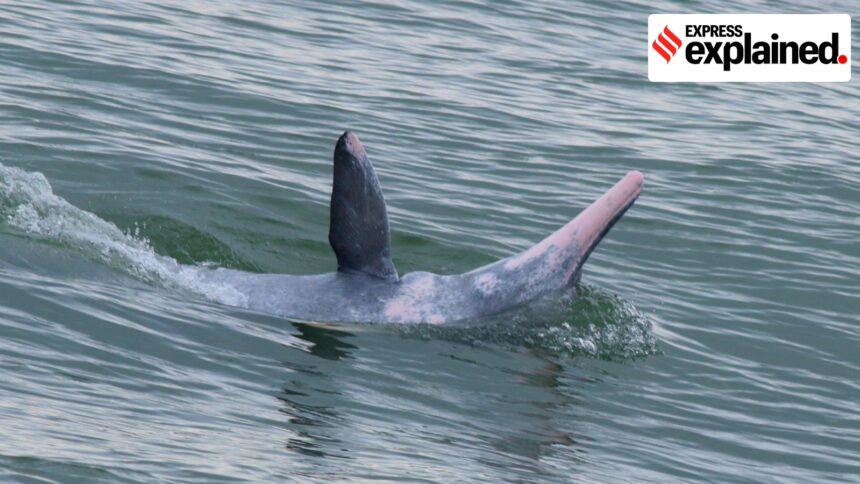
In a significant development for marine conservation, scientists and conservationists from various institutions worldwide have commenced a collaborative research project titled “The Ecology and Evolution of Cultural and Cooperative Behavior among Dolphins and Humans.” The study, which is centered on the unique cooperation between wild dolphins and traditional fishers in Kerala’s Ashtamudi Lake, Kollam, was first observed and documented in 2012.
This research initiative is a significant endeavor to understand the intricate relationship between these intelligent marine mammals and the local fishing community. The study, being led by the University of Kerala, involves multiple institutions from Southeast Asia and beyond.
The Ashtamudi Lake in Kerala has long been known for its biodiversity, but this unique cooperation between the wild dolphins and traditional fishers is a phenomenon rarely found worldwide. Over the years, the local fisherfolk have developed an unusual bond with these bottlenose dolphins, who seem to assist them during the cast net fishing process.
The research project aims to delve deeper into this fascinating collaboration, studying the behaviors, communication methods, and possible evolutionary implications of such cooperative behavior in both species. By gaining a better understanding of these interactions, conservationists hope to develop strategies for preserving the ecosystem and ensuring the survival of both the dolphins and the local fishing community.
The research project is expected to continue over several years, with regular updates on the progress and findings shared among participating institutions. This groundbreaking study promises valuable insights into the intricate relationships between different species and the role of cooperation in maintaining ecosystem balance.